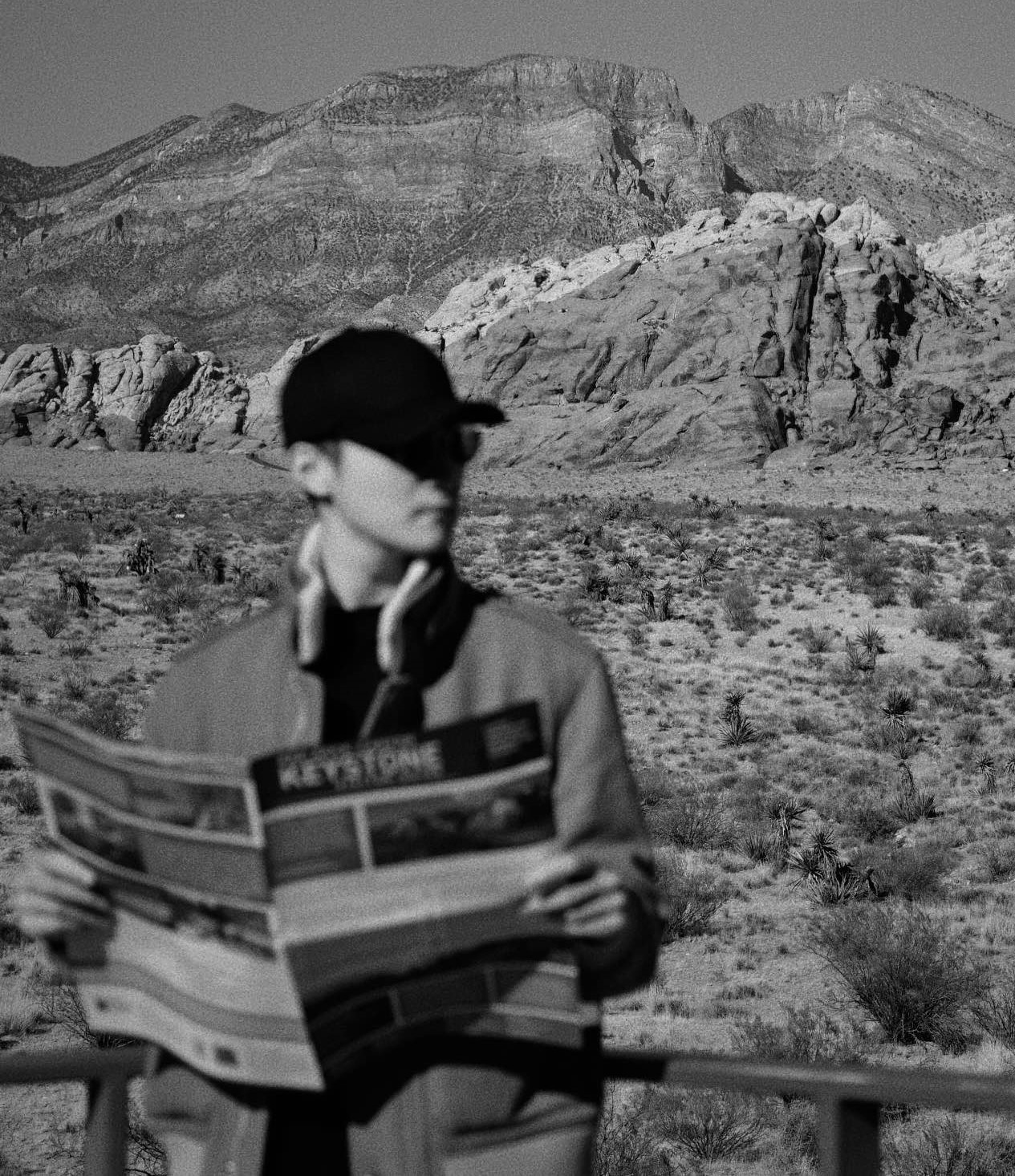
About. Gao.

About. Gao.

About. Gao.

Tags

Carnegie Mellon

System Thinker

Claude Code Power User

Detail-Obsessed

Cross-Cultural

User-First

Curious

A few words

I design products where complexity lives under the surface. My work sits at the intersection of systems thinking and craft, making sure every screen, flow, and interaction serves the person using it. I care more about whether the thing actually works.

Tags

Carnegie Mellon

System Thinker

Claude Code Power User

Detail-Obsessed

Cross-Cultural

User-First

Curious

A few words

I design products where complexity lives under the surface. My work sits at the intersection of systems thinking and craft, making sure every screen, flow, and interaction serves the person using it. I care more about whether the thing actually works.

How I think about design

I've always been drawn to the kind of problems where the solution isn't obvious. Products that sit at the edge of complexity, where users need to make decisions with incomplete information, where one wrong interaction can erode trust entirely. That's where I do my best work. I don't start with screens. I start with the system, the logic, the relationships between things. The interface comes last, and by then, most of the hard decisions have already been made.

Every project in this portfolio followed the same principle: understand the real problem before designing anything. That means talking to people, mapping out systems, and questioning assumptions before a single pixel gets placed. I care about craft, but I care more about whether the product actually solves what it set out to solve. Good design shouldn't need a tutorial. If someone has to think about how to use it, something went wrong.
Design philosophy

The best design decisions aren't the ones people notice. They're the ones that make everything else feel like it was always supposed to be that way.

My approach

My approach

I start with the system, not the screen. I map out the logic, the edge cases, and how every piece connects before anything gets designed. Then I shape each interaction until the complexity disappears and the product just feels right. The goal is always the same: make it feel obvious.

I design systems where every component earns its place, so the product feels less like software and more like second nature.

I design systems where every component earns its place, so the product feels less like software and more like second nature.

About Me

Cultural.

I grew up between cultures, navigating systems that weren't designed with people like me in mind. That shaped how I think about design. I don't assume the user sees what I see. I ask questions before I draw anything, and I'd rather ship something honest than something impressive. Outside of work, I spend my time behind a camera, collecting references, experimenting with motion, and finding patterns in places most people overlook.

I grew up between cultures, navigating systems that weren't designed with people like me in mind. That shaped how I think about design. I don't assume the user sees what I see. I ask questions before I draw anything, and I'd rather ship something honest than something impressive. Outside of work, I spend my time behind a camera, collecting references, experimenting with motion, and finding patterns in places most people overlook.